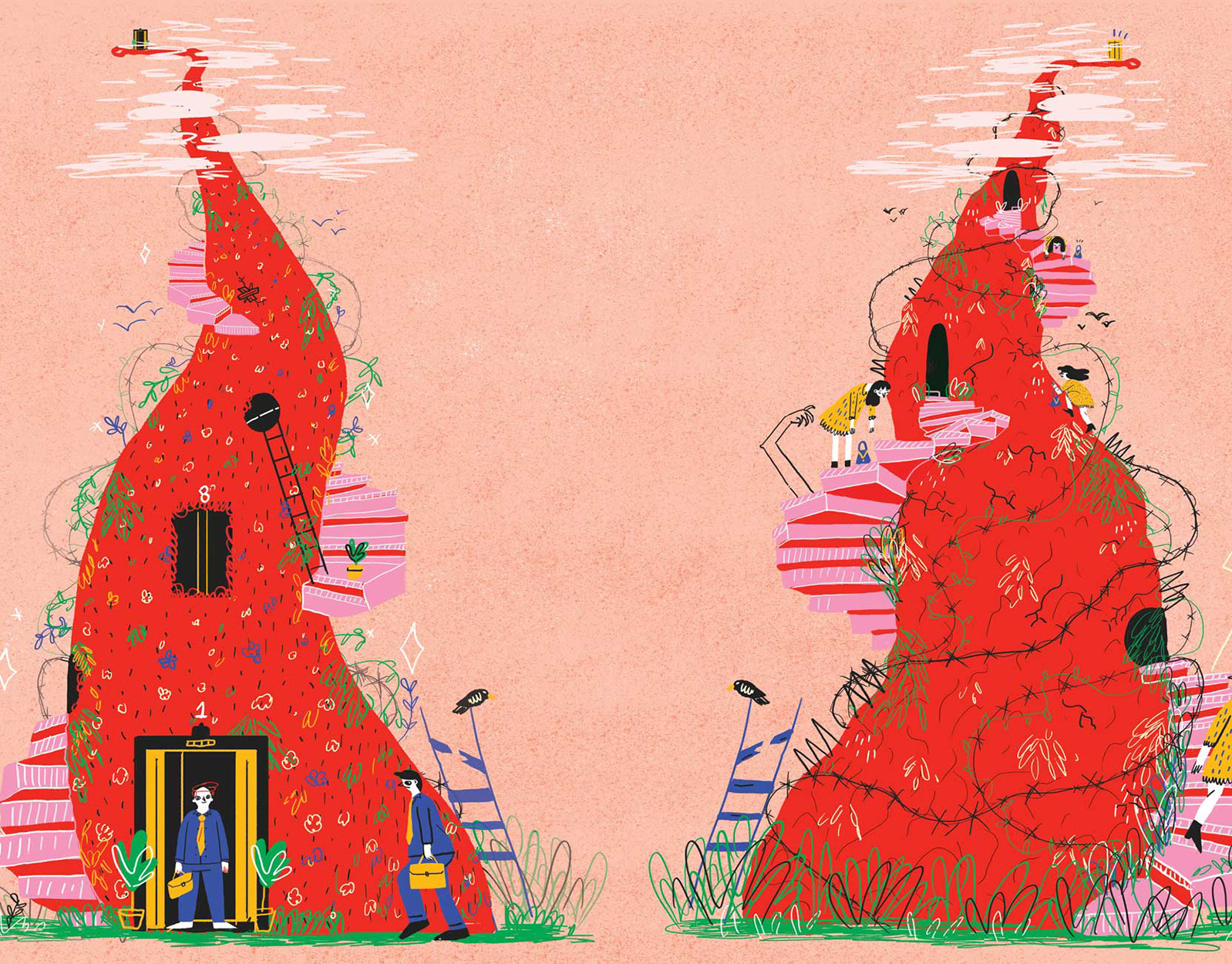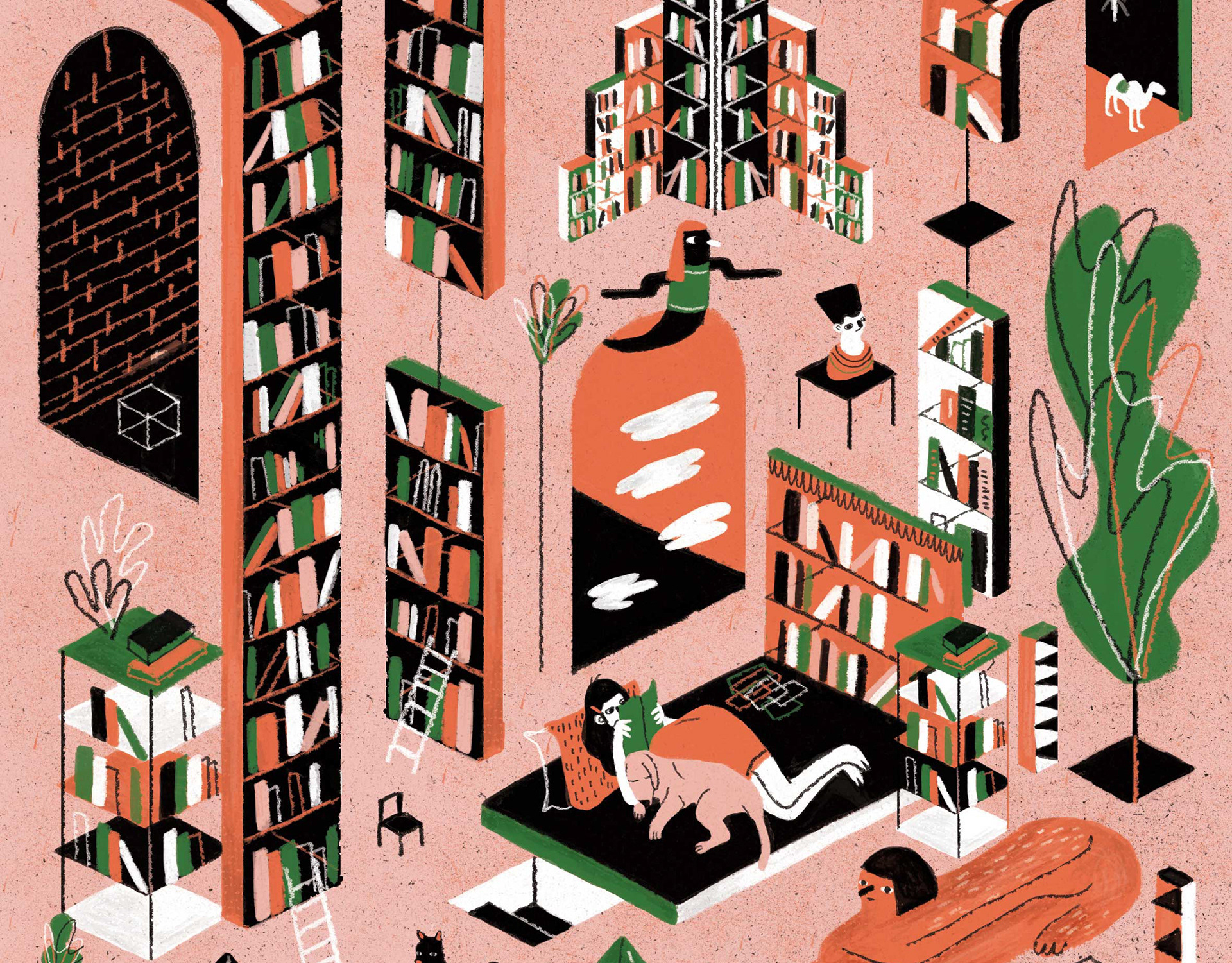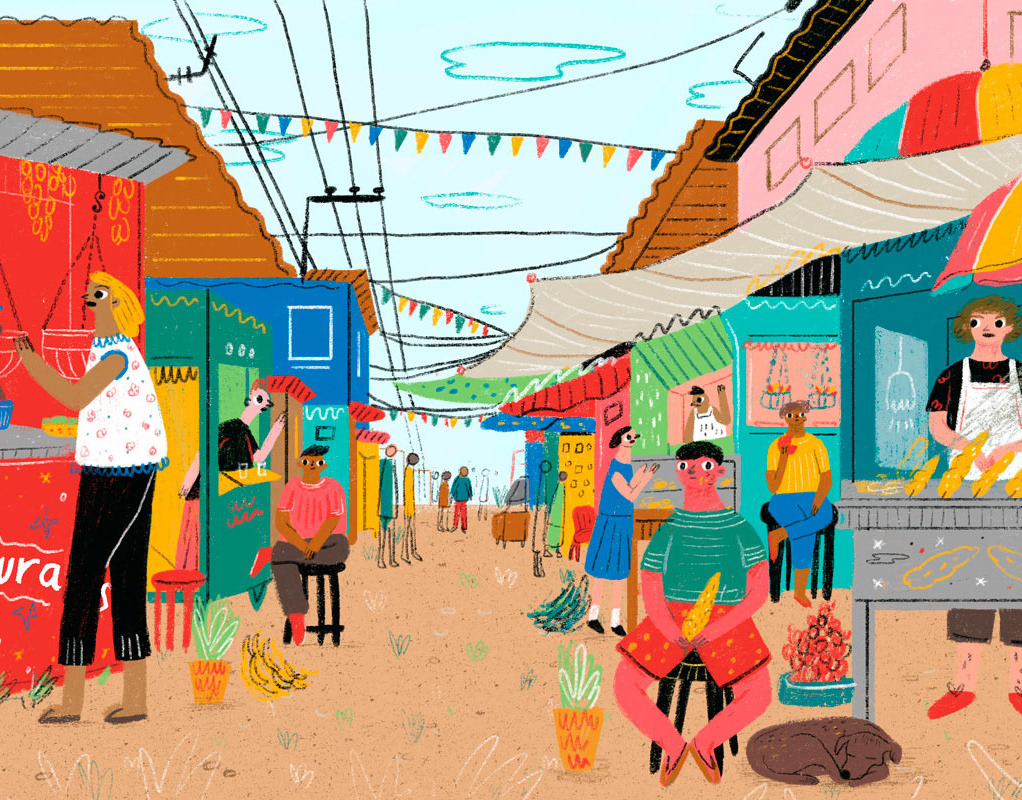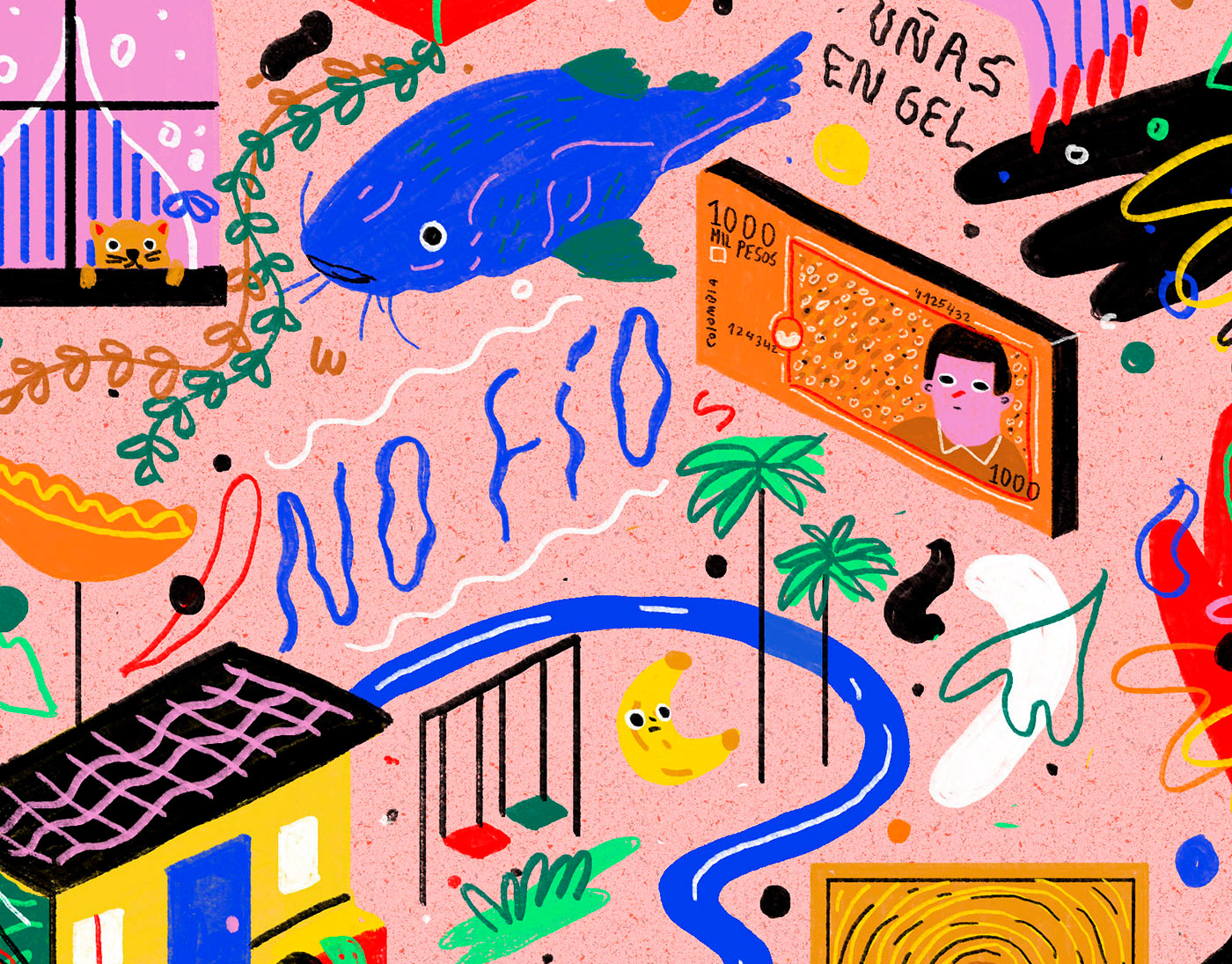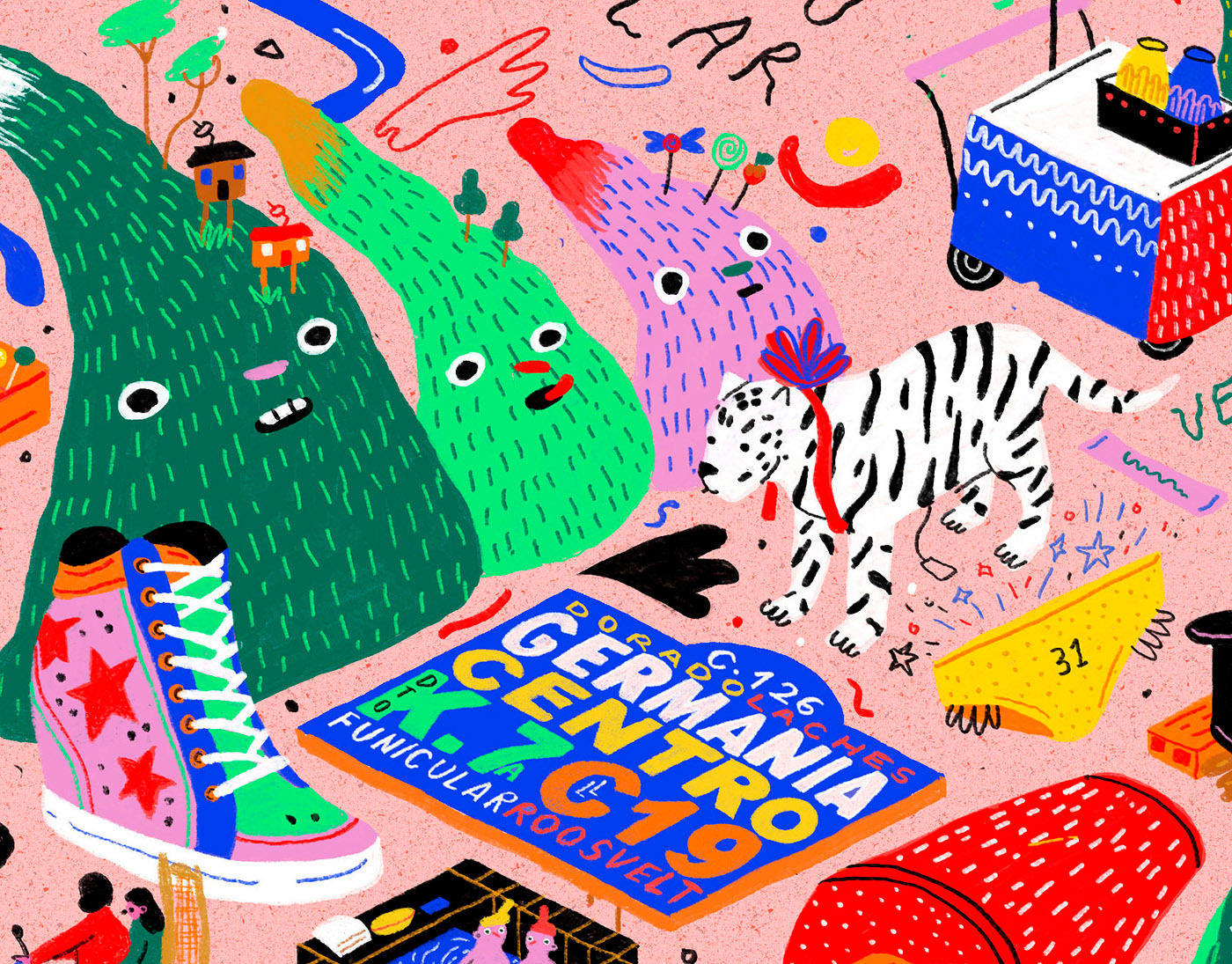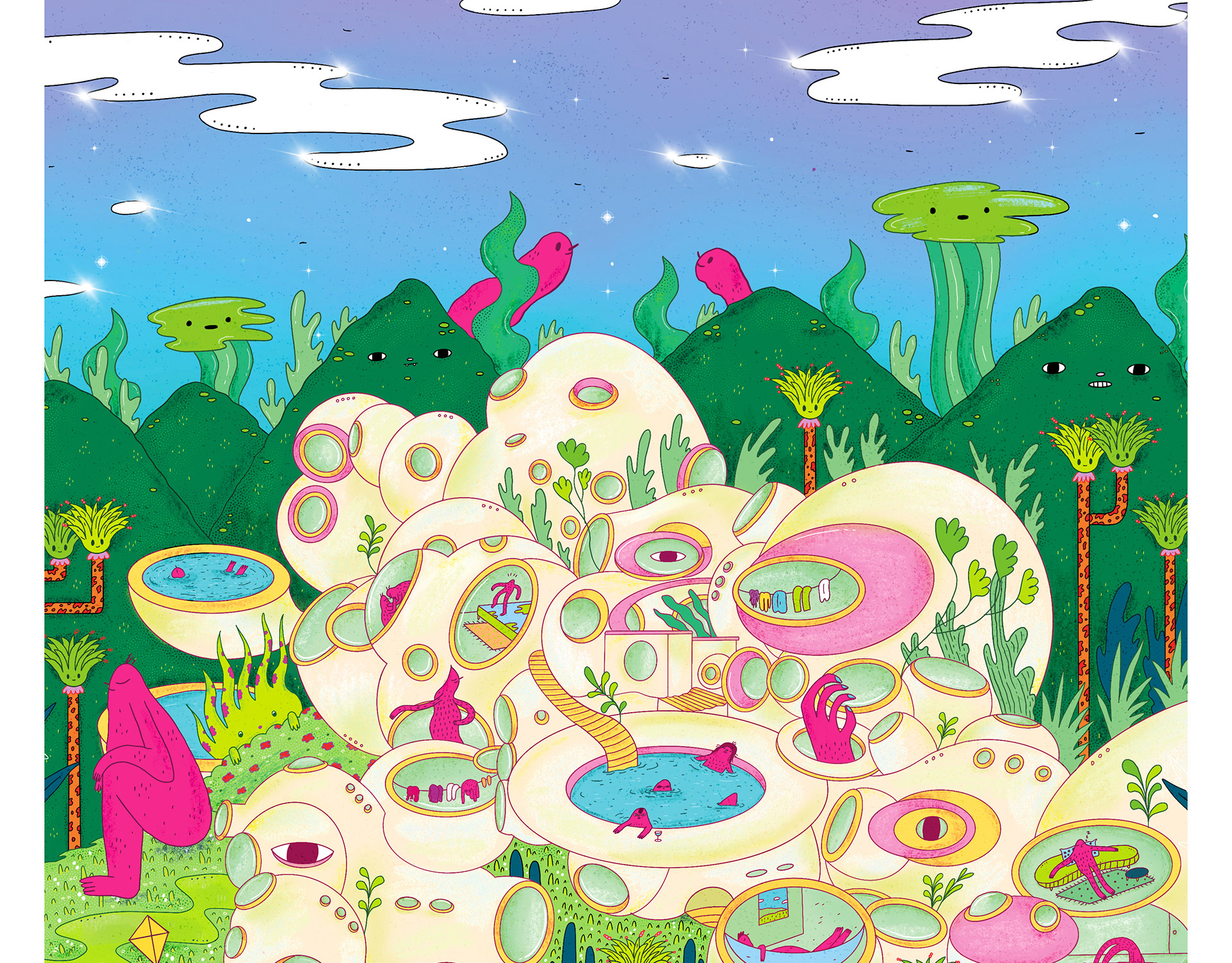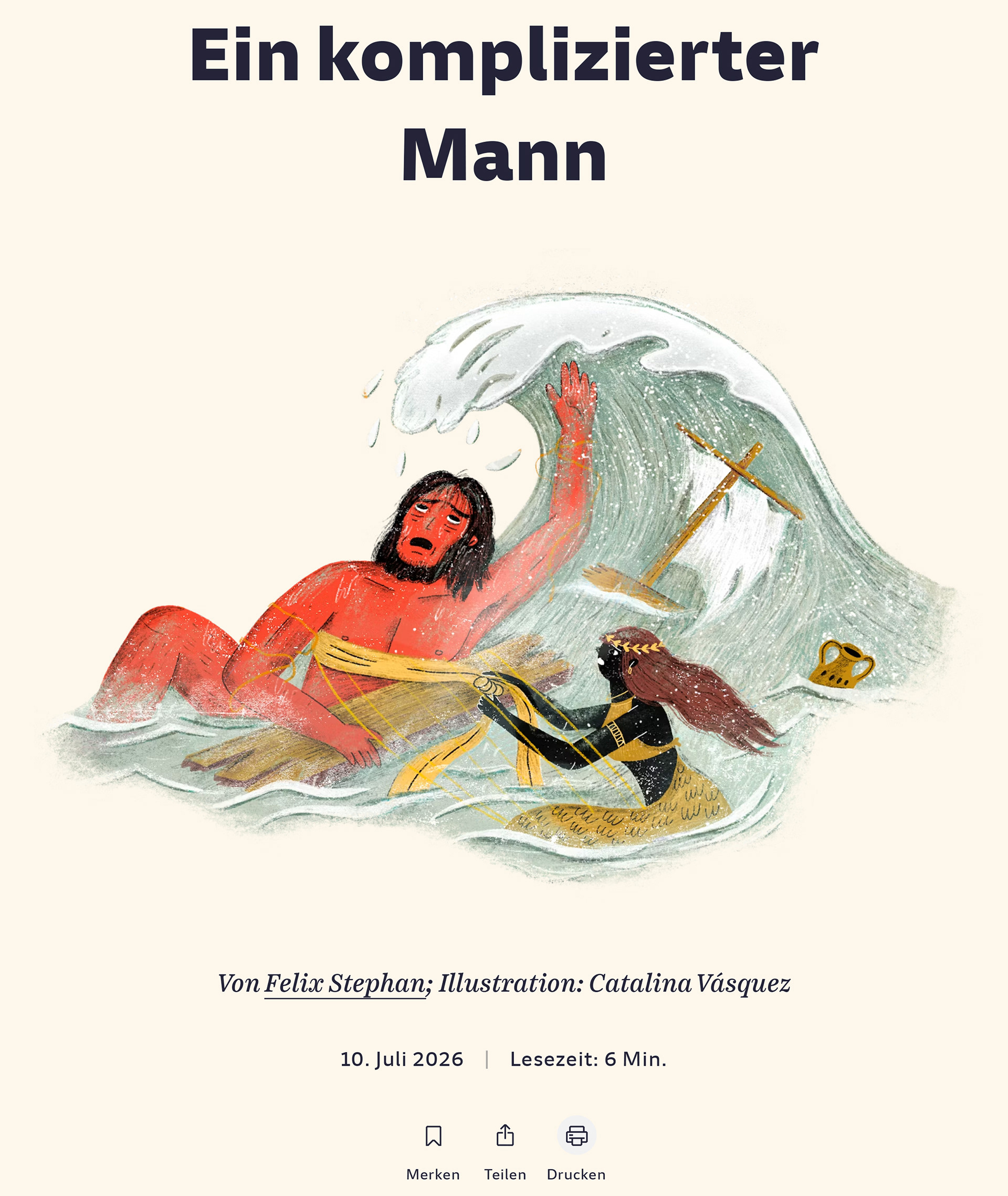
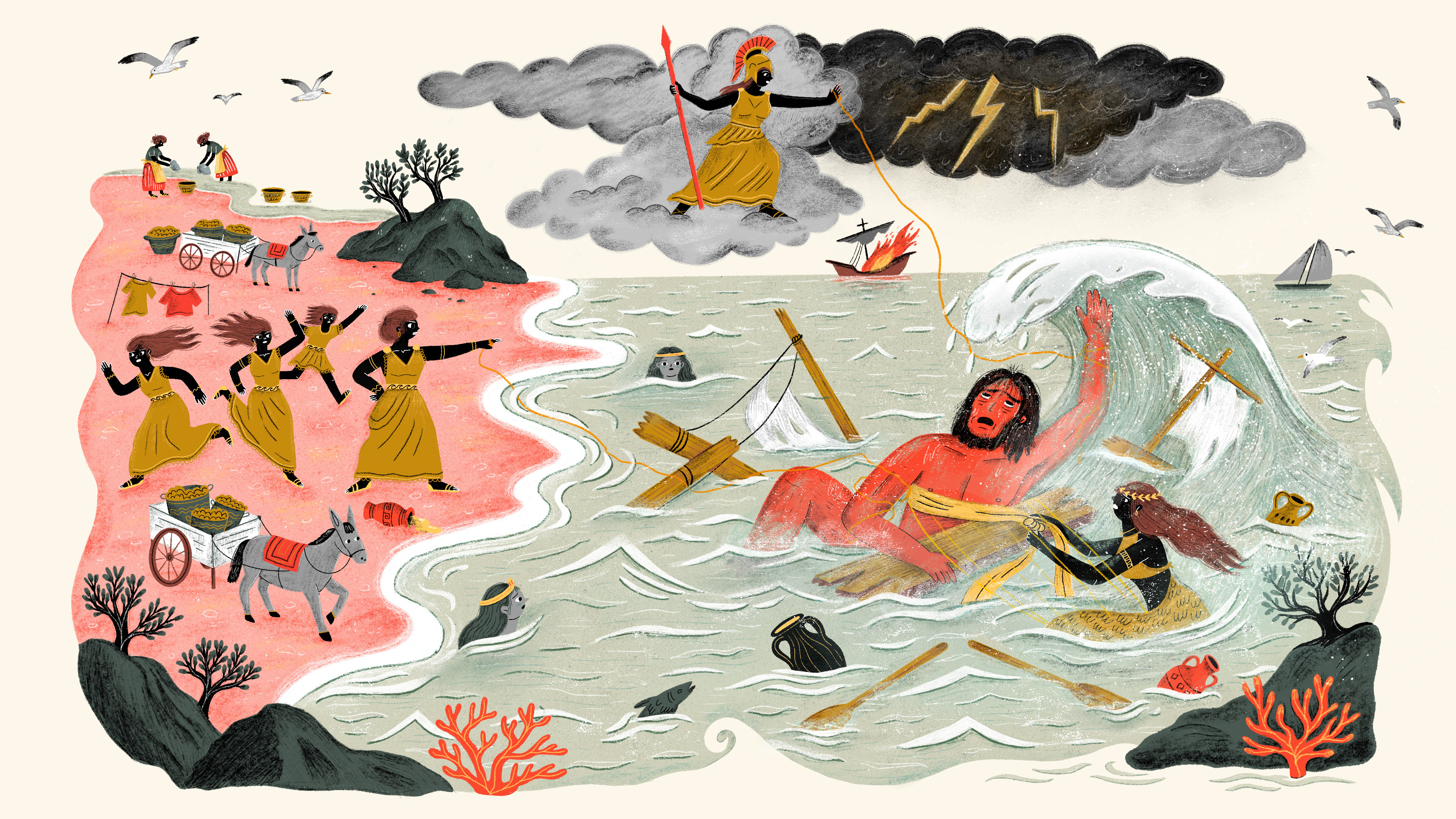
Illustration for Süddeutsche Zeitung, on Emily Wilson's translation of the Odyssey and the question at the heart of the essay: who actually holds the power in this poem? Wilson famously rendered polytropos as "complicated man," and once you read Odysseus that way, not as a hero but as someone complicated, you start noticing that every turn of his journey depends on a woman. Athena, Ino, Circe, Calypso, Nausicaa, Penelope: goddesses, nymphs, a princess, a wife, each one deciding in her own way whether he survives, stays, or makes it home. The essay reads the Odyssey as a poem about masculinity held up, and held together, by women.
Text: Felix Stephan
Art direction: Lina Moreno

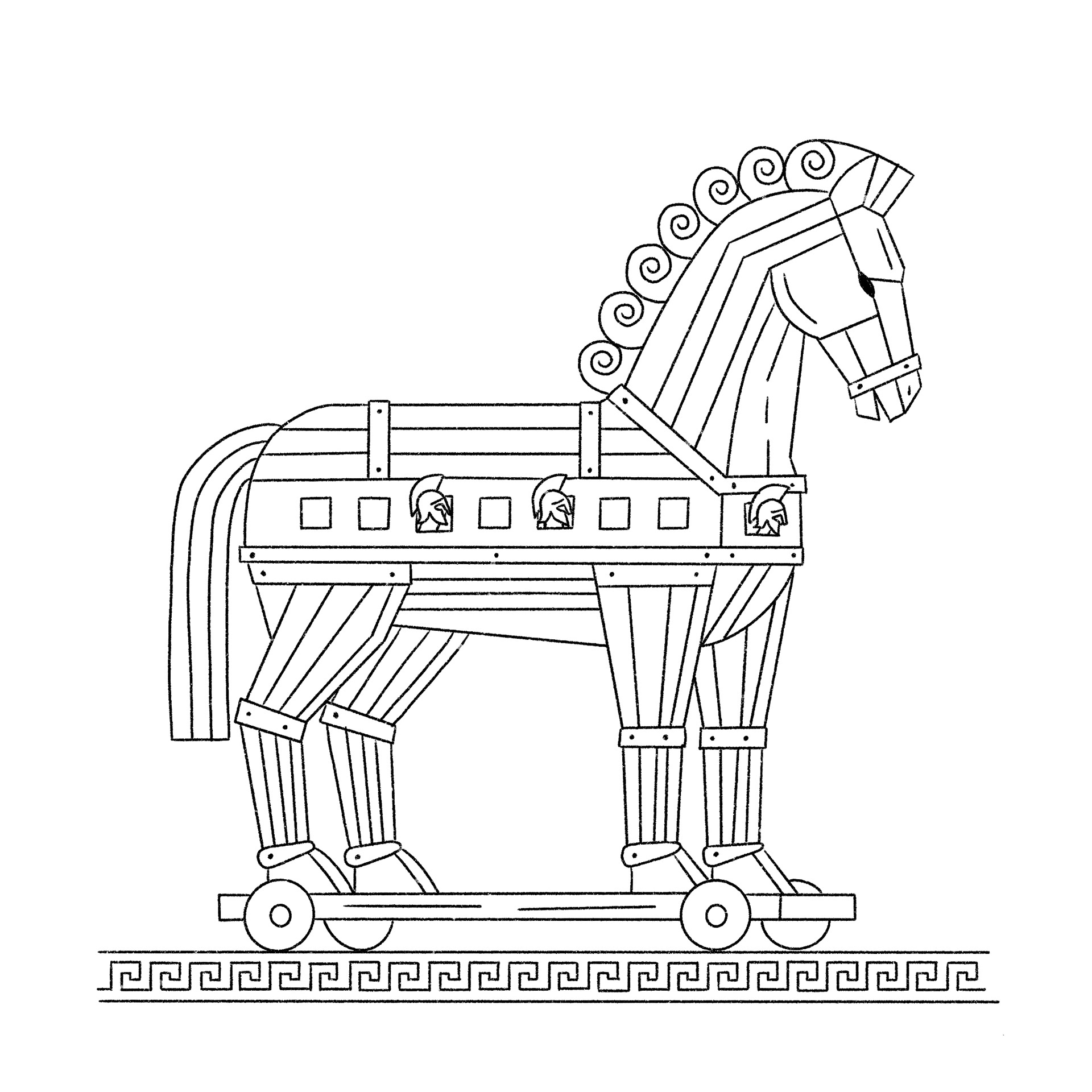
Early concepts
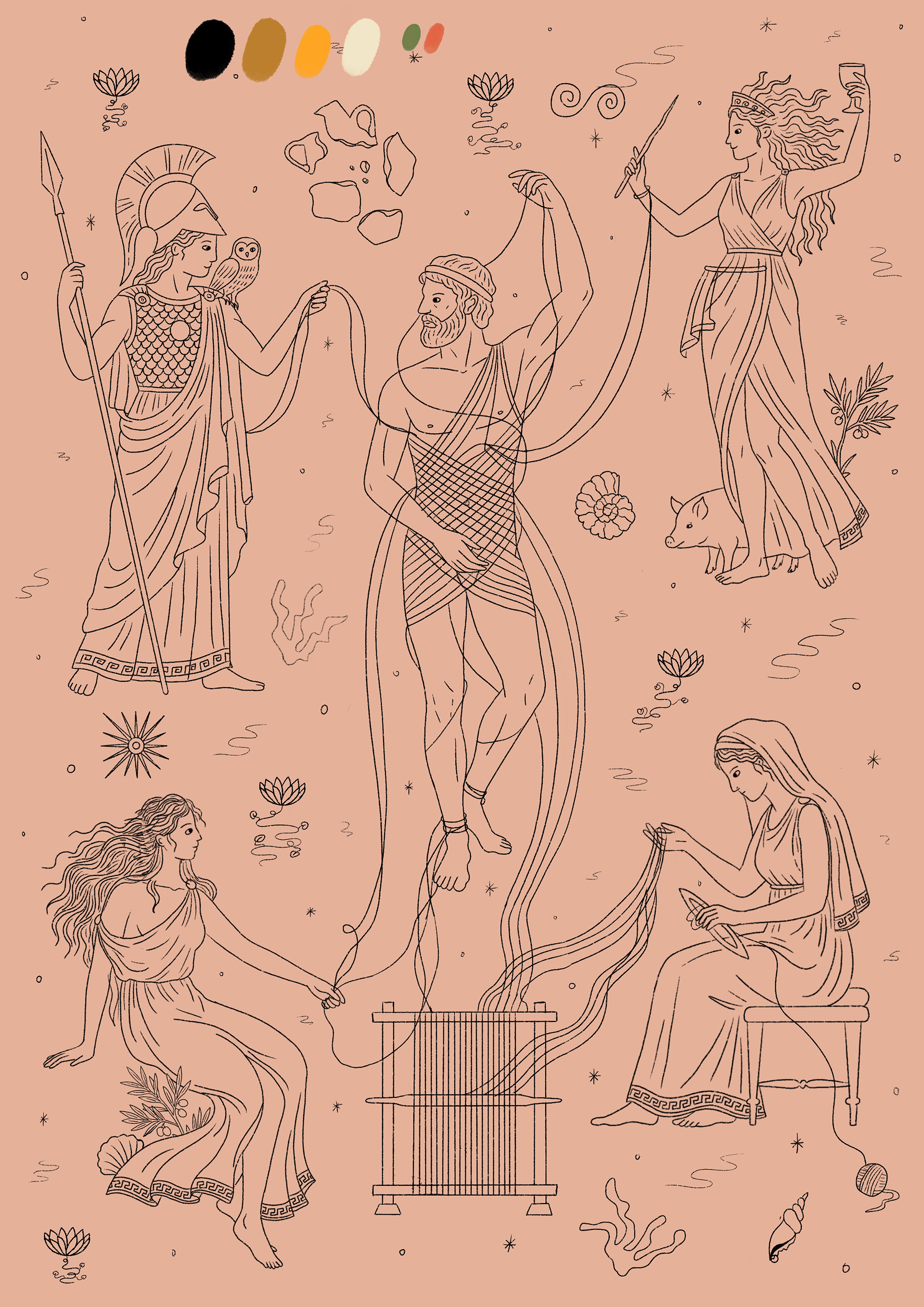
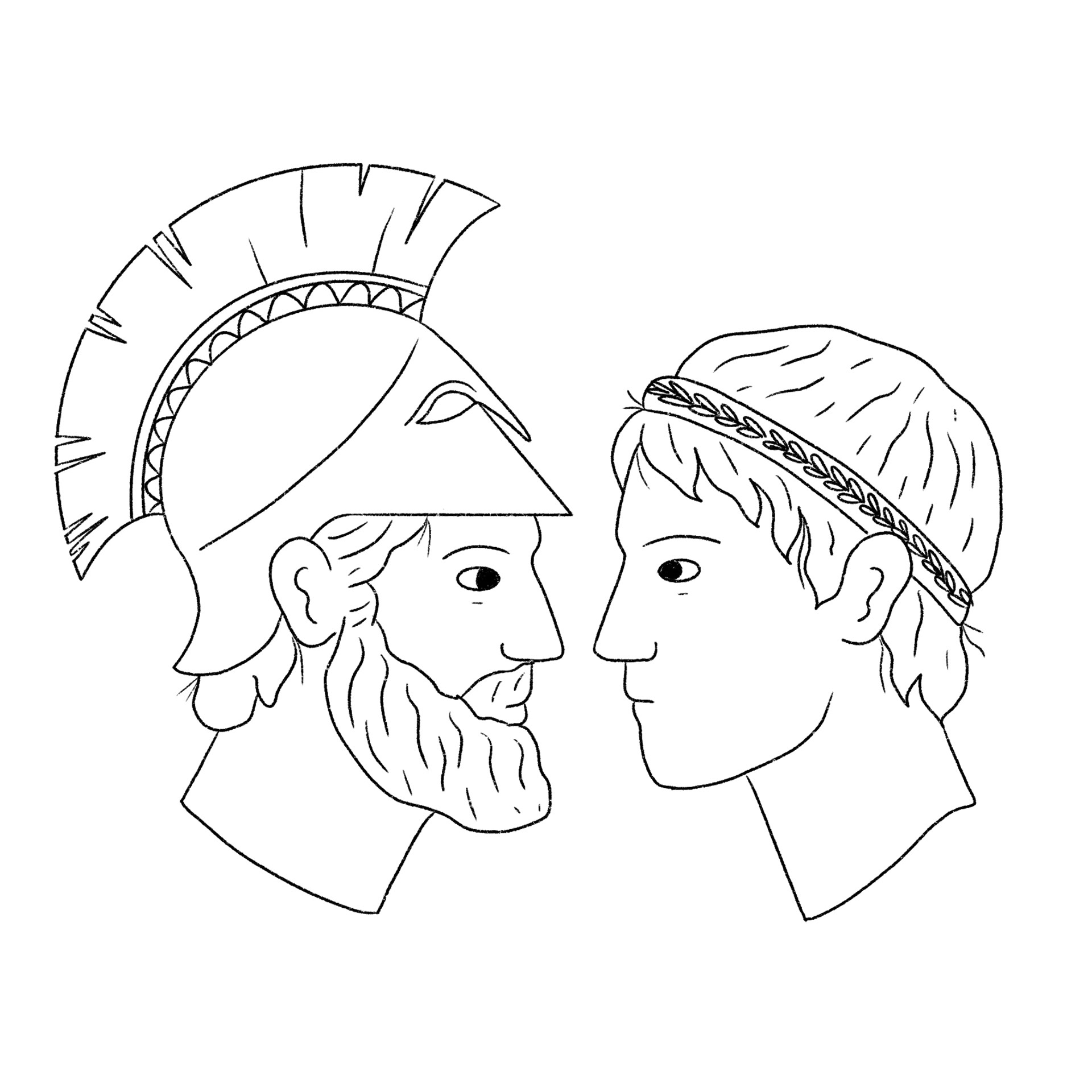
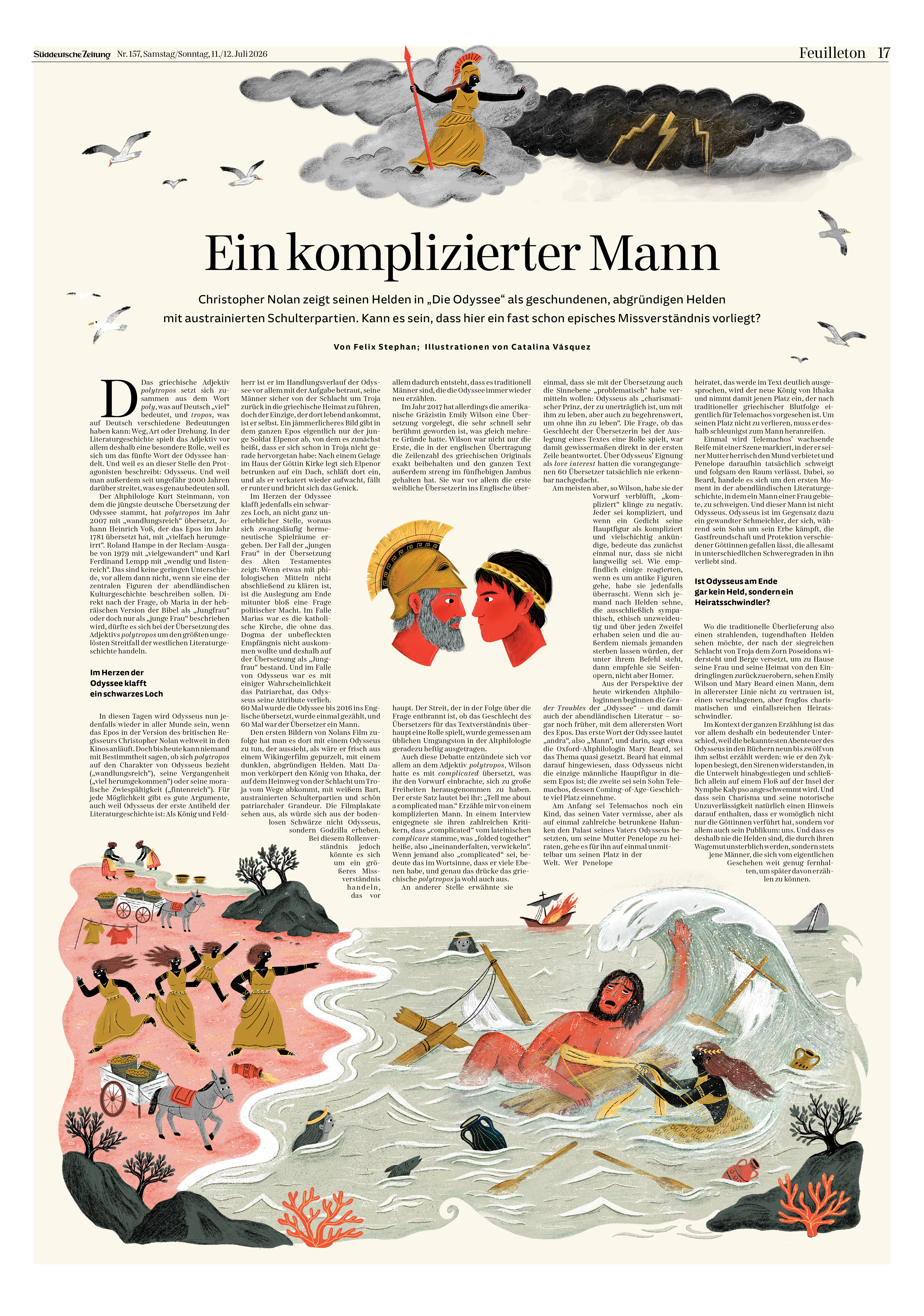

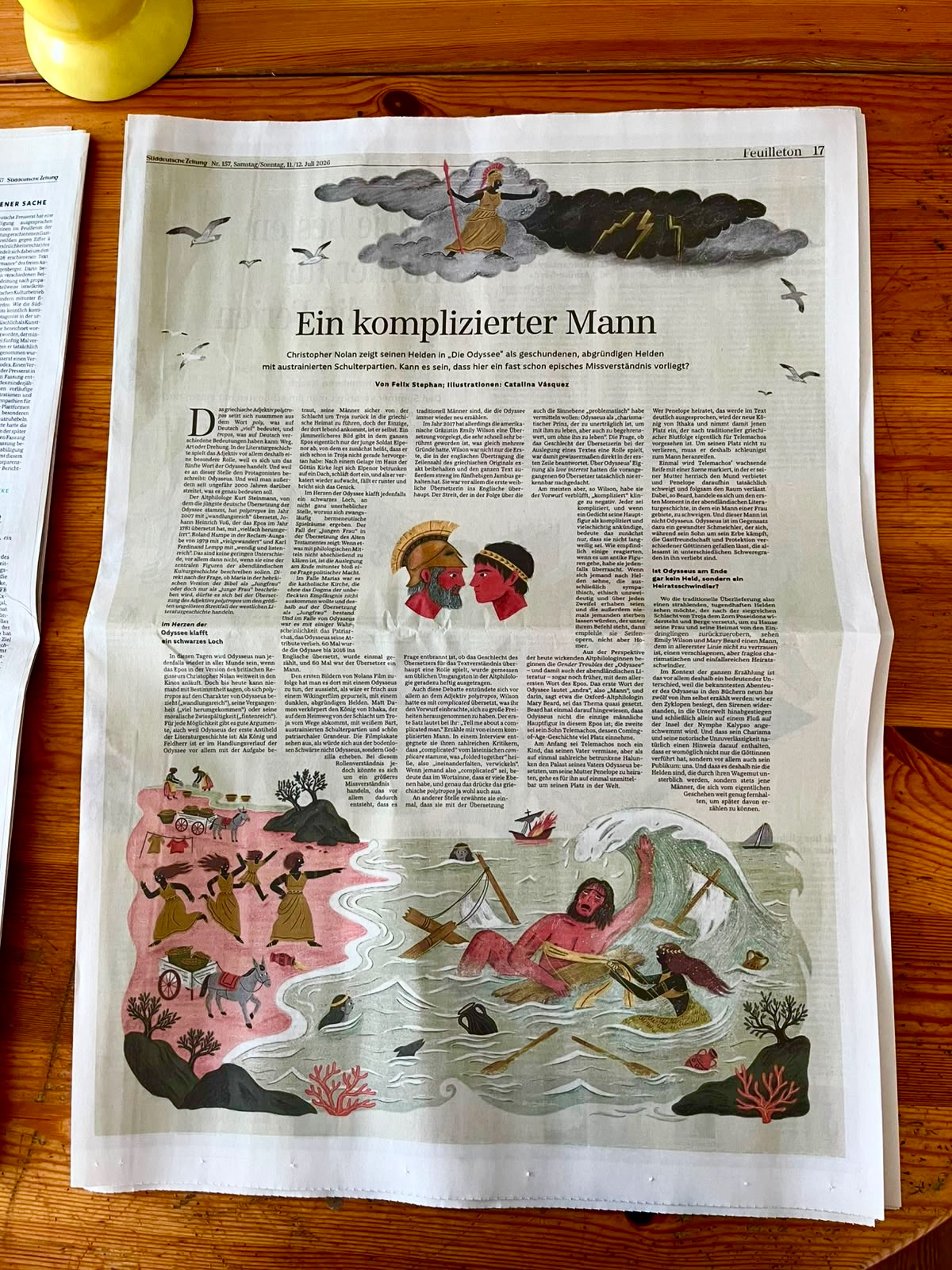
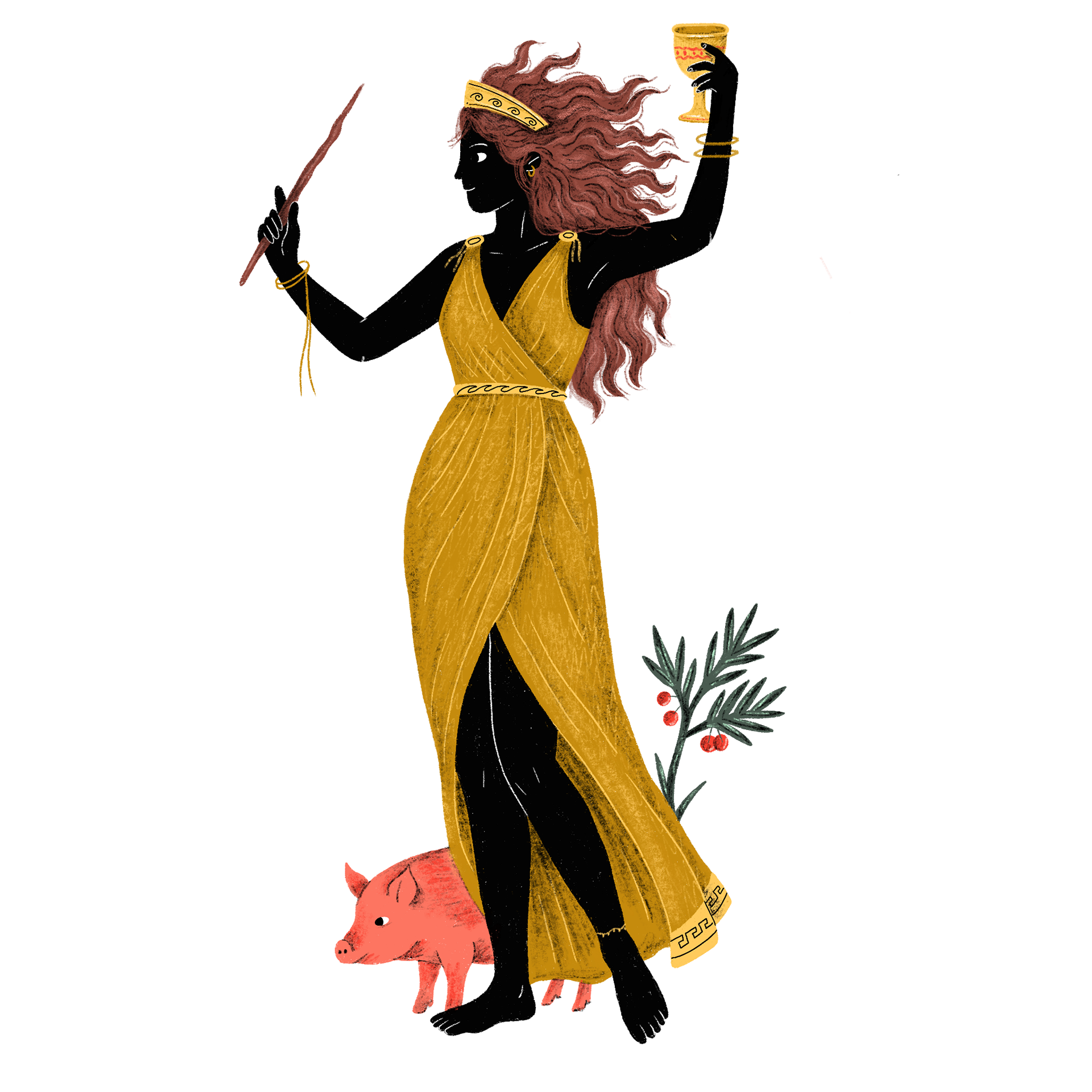
Athena decides when the storm lifts. Ino gives him the veil that keeps him afloat. Circe turns his men into pigs and then shelters him for a year. Calypso loves him too much to let him go.
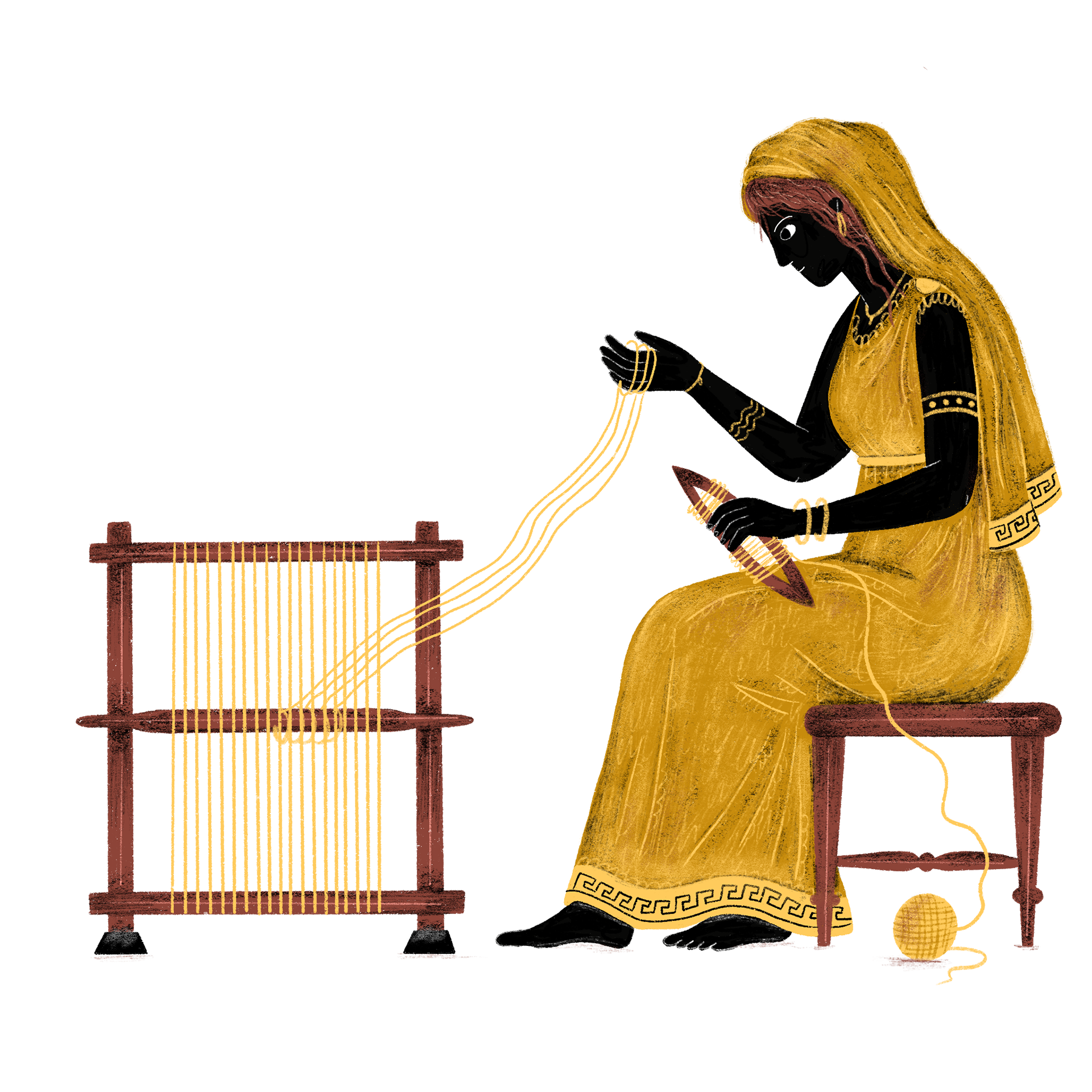
Penelope buys time by unravelling her weaving night after night. And when a salt-crusted stranger drags himself out of the sea, it is Nausicaa, a girl washing clothes on the shore, who holds her ground while everyone else runs.
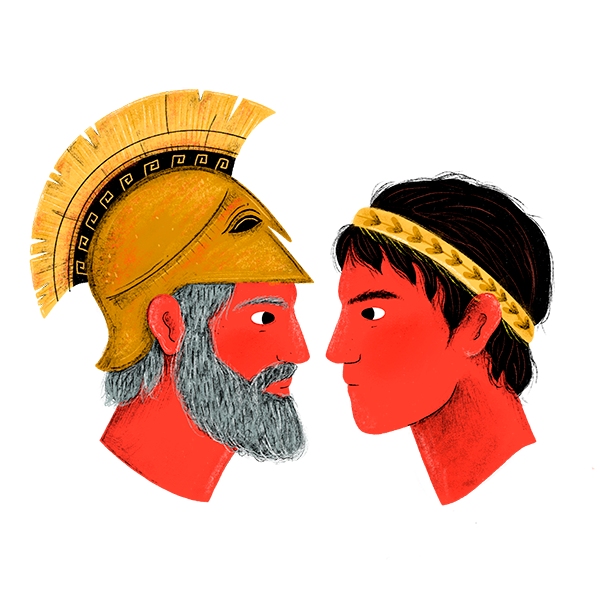
Two forces in the same body: the king who commands and the survivor who charms his way out.

Thanks for watching! ♡